will diclofenac thin your blood Stops sticking
Alcohol addiction is a topic that has garnered much attention and concern. Many people are aware that consuming alcohol can have negative effects on the body, such as impairing liver function and increasing the risk of developing various diseases. However, there is another aspect of alcohol consumption that is less well-known but equally important - its ability to thin the blood.
What does it mean when alcohol thins your blood?
When we say that alcohol thins the blood, we are referring to its ability to reduce the blood’s ability to clot. This can be both a positive and negative thing. On one hand, alcohol can help prevent the formation of blood clots, which can be life-saving in certain situations. On the other hand, excessive thinning of the blood can lead to increased bleeding and bruising.
It is important to understand the balance between the positive and negative effects of alcohol on blood thickness. Moderate alcohol consumption may provide some benefits in terms of blood thinning, but excessive consumption can have detrimental effects.
The risks of excessive alcohol consumption
Excessive alcohol consumption can lead to a host of health problems, including liver disease, cardiovascular disease, and certain types of cancer. When it comes to blood thinning, excessive alcohol consumption can significantly increase the risk of bleeding. This is particularly concerning in individuals who are already at a higher risk of bleeding, such as those with certain medical conditions or those taking medications that also thin the blood.
 To better understand the risks associated with alcohol-induced blood thinning, it is important to delve into the science behind it. Alcohol affects the production and function of certain proteins in the blood, such as fibrinogen and platelets, which are involved in the clotting process. As a result, the blood becomes less viscous and is more likely to flow freely without clotting.
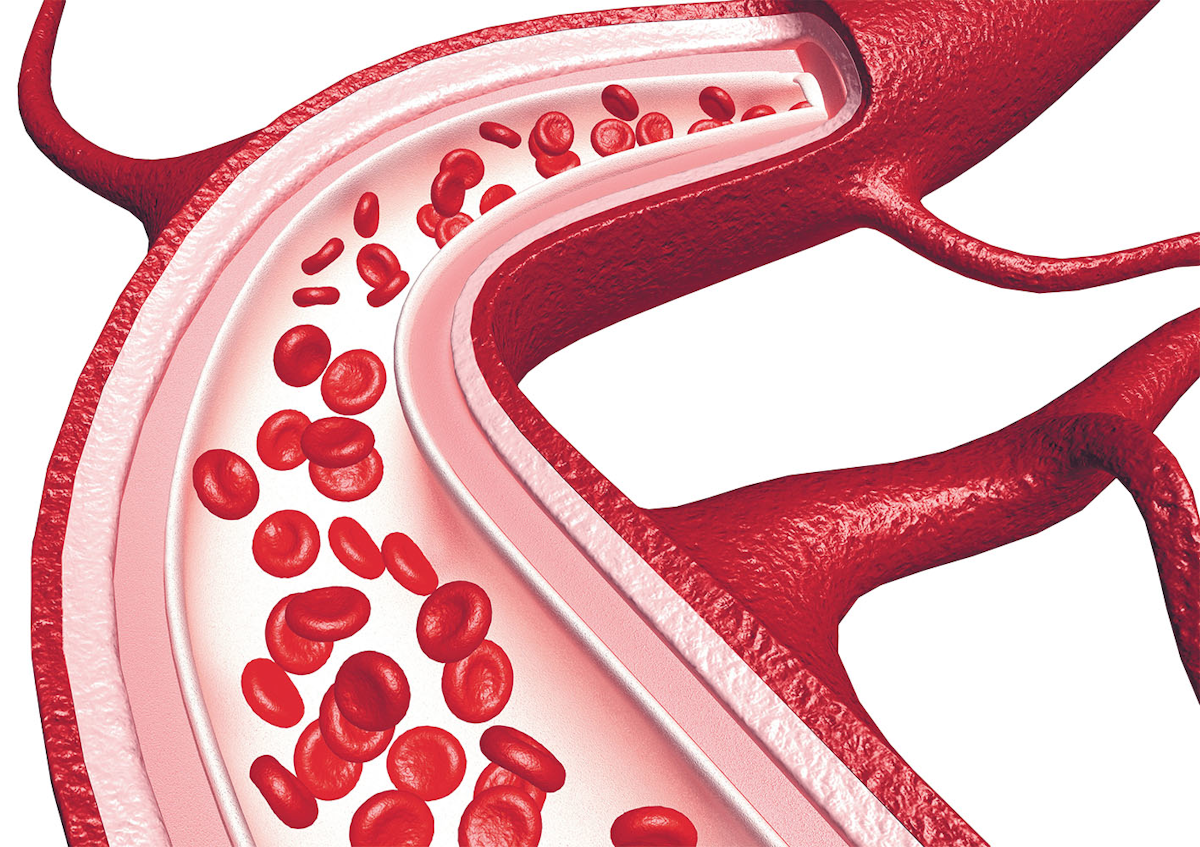 A new blood thinner that doesn’t cause bleeding?
Interestingly, recent research has found a potential solution to the problem of excessive bleeding associated with blood thinners. A new blood thinner has been developed that not only effectively thins the blood but also reduces the risk of bleeding. This breakthrough could revolutionize the treatment of conditions where blood thinning is necessary.
While the details of this new blood thinner are beyond the scope of this article, it is promising to see advancements in medical research that address the drawbacks of traditional blood thinners. This new development has the potential to significantly improve the lives of individuals who require blood thinning medication.
In conclusion, alcohol has the ability to thin the blood, which can be both beneficial and harmful. Moderate alcohol consumption may provide some positive effects on blood thickness, but excessive consumption can increase the risk of bleeding. It is important to be aware of the potential risks and to consume alcohol in moderation. Additionally, advancements in medical research, such as the development of new blood thinners, offer hope for improved treatments in the future.
If you are searching about Time course of diclofenac blood concentrations (panel A) and you’ve came to the right place. We have 5 Images about Time course of diclofenac blood concentrations (panel A) and like Why Does Alcohol Thin Your Blood and Additional Risks? - Alcohol, New Blood Thinner Doesn’t Cause Bleeding. Wait, What? | Healthcare and also New Blood Thinner Doesn’t Cause Bleeding. Wait, What? | Healthcare. Read more:
Time Course Of Diclofenac Blood Concentrations (panel A) And
 www.researchgate.netdiclofenac concentrations antinociceptive
Time Course Of Diclofenac Equilibration Between Blood And Plasma After
 www.researchgate.netWhy Does Alcohol Thin Your Blood And Additional Risks? - Alcohol
alcoholaddictioncenter.orgstops sticking
Does Alcohol Thin Your Blood? (Why It Matters) - Family Recovery
 www.familyrecoveryspecialists.comNew Blood Thinner Doesn’t Cause Bleeding. Wait, What? | Healthcare
www.healthcarepackaging.comthinners thinner bleeding thrombosis vein antidotes eliquis medications newer juice medikamente alkohol clotting doesn
Time course of diclofenac blood concentrations (panel a) and. Stops sticking. New blood thinner doesn’t cause bleeding. wait, what?